

Ayomide Awe
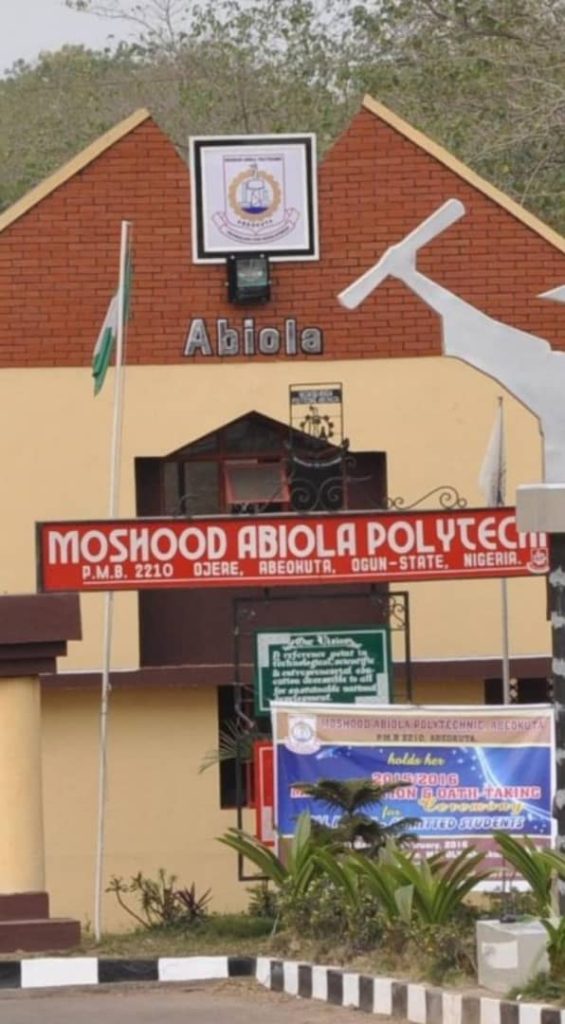
Students of Moshood Abiola Polytechnic (MAPOLY), have announced plans to stage an early-morning protest over the prolonged electricity blackout affecting the institution and surrounding student residential areas, accusing the Ibadan Electricity Distribution Company (IBEDC) of failing to fulfill repeated promises to restore power supply.
The MAPOLY Students’ Union Executive for the 2025/2026 academic session disclosed that the protest is scheduled to take place by 7:00 a.m. at the IBEDC (NEPA) office in Abeokuta.
The Student union expressed frustration over what the union described as persistent power outages despite several meetings and engagements with IBEDC officials.
According to the union, electricity distribution authorities had on multiple occasions assured students that the challenges would be resolved, but the situation has continued to worsen, subjecting students to prolonged periods without power.
The Students’ Union noted that the blackout has severely disrupted academic activities, including lectures and private studies, while also posing safety and health concerns and negatively affecting students’ overall welfare.
Describing the planned demonstration as a final warning, the union said the protest aims to press home demands for the immediate restoration of stable electricity, accountability for previous lapses, and concrete, time-bound solutions rather than what it termed verbal reassurances.
The union leadership emphasized that the protest would be peaceful and orderly, stressing that its sole objective is to draw urgent attention to the hardship students continue to face due to unreliable electricity supply.
The statement further called on relevant authorities to intervene swiftly to prevent a further escalation of the situation.
As of the time of filing this report, IBEDC had not issued any official response to the Students’ Union’s allegations or the planned protest.
The development has once again drawn attention to the persistent electricity challenges facing tertiary institutions in Ogun State, where reliable power remains critical to academic performance, digital learning, and basic living conditions.

Downloading the 8kbetapp now! Mobile betting for the win! This app better be good. Come and let’s play: 8kbetapp
Downloading the 8kbetapp now! Mobile betting for the win! This app better be good. Come and let’s play: 8kbetapp